Precision machining parts
From CAD data to the manufacturing process of precision machining parts with OMF Fratelli Fumagalli
A technical drawing or CAD file defines the characteristics a mechanical component must meet, from its geometry and dimensions to the material and required tolerances. These specifications provide the basis for producing a part that must perform according to precise technical requirements and maintain the same characteristics throughout production.
For precision machining parts, achieving this level of accuracy requires a manufacturing approach that considers the component as a whole, from its design requirements to the characteristics of the finished part.
From drawing requirements to a controlled machining process
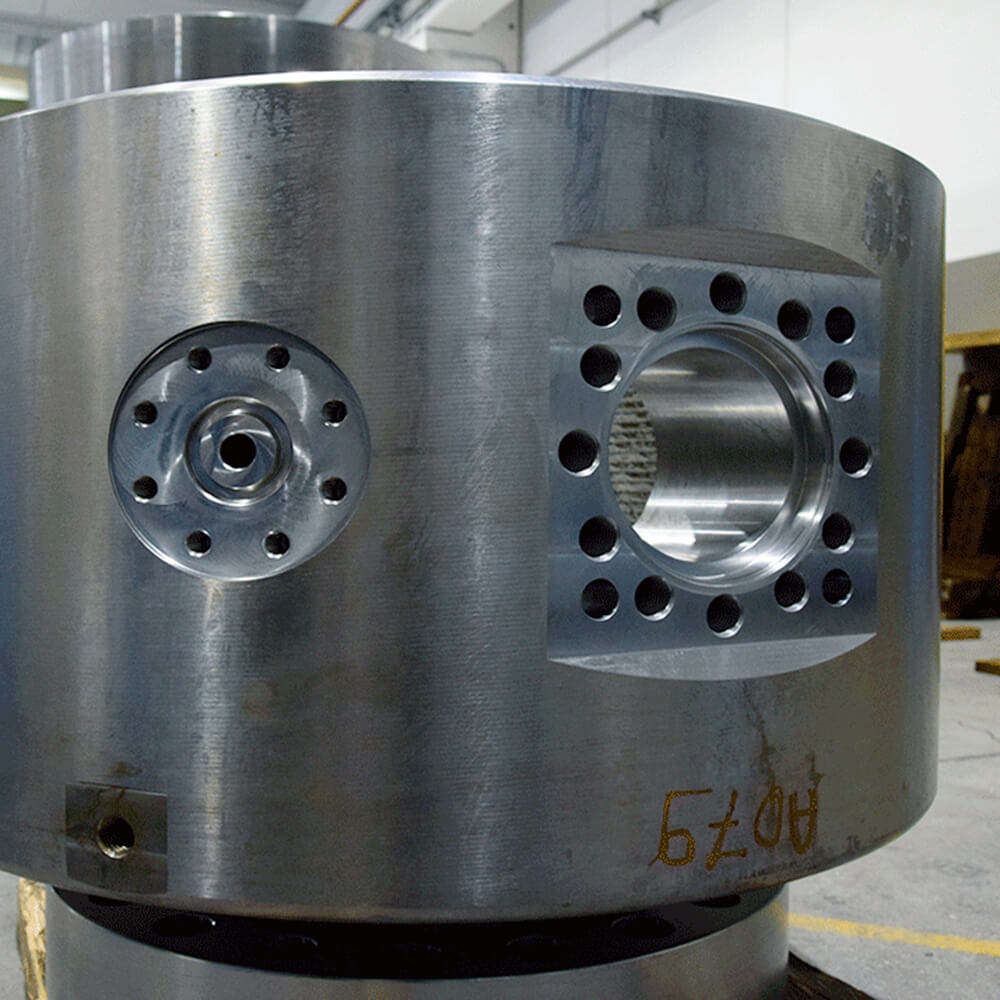
Material is a key variable: stainless steel, carbon steel, aluminium, brass and other ferrous and non-ferrous alloys respond differently to machining and heat generation. Dimensional and geometric tolerances must be considered at the same time, particularly when the relationship between holes, diameters, surfaces and reference points is critical.
For precision machining parts, defining the production sequence means establishing how each operation will affect the next one. Workholding, references and setups must be planned so that critical geometries remain controlled throughout the cycle. Before production starts, this typically involves defining:
- critical component features, distinguishing functional dimensions from less restrictive ones;
- references and setups, particularly when several machining operations are required;
- turning and milling sequences, establishing where each technology fits into the process;
- intermediate inspections, so that important characteristics can be checked before subsequent operations;
- production organisation, adapting the setup and machining strategy to prototypes, small batches or recurring supplies.
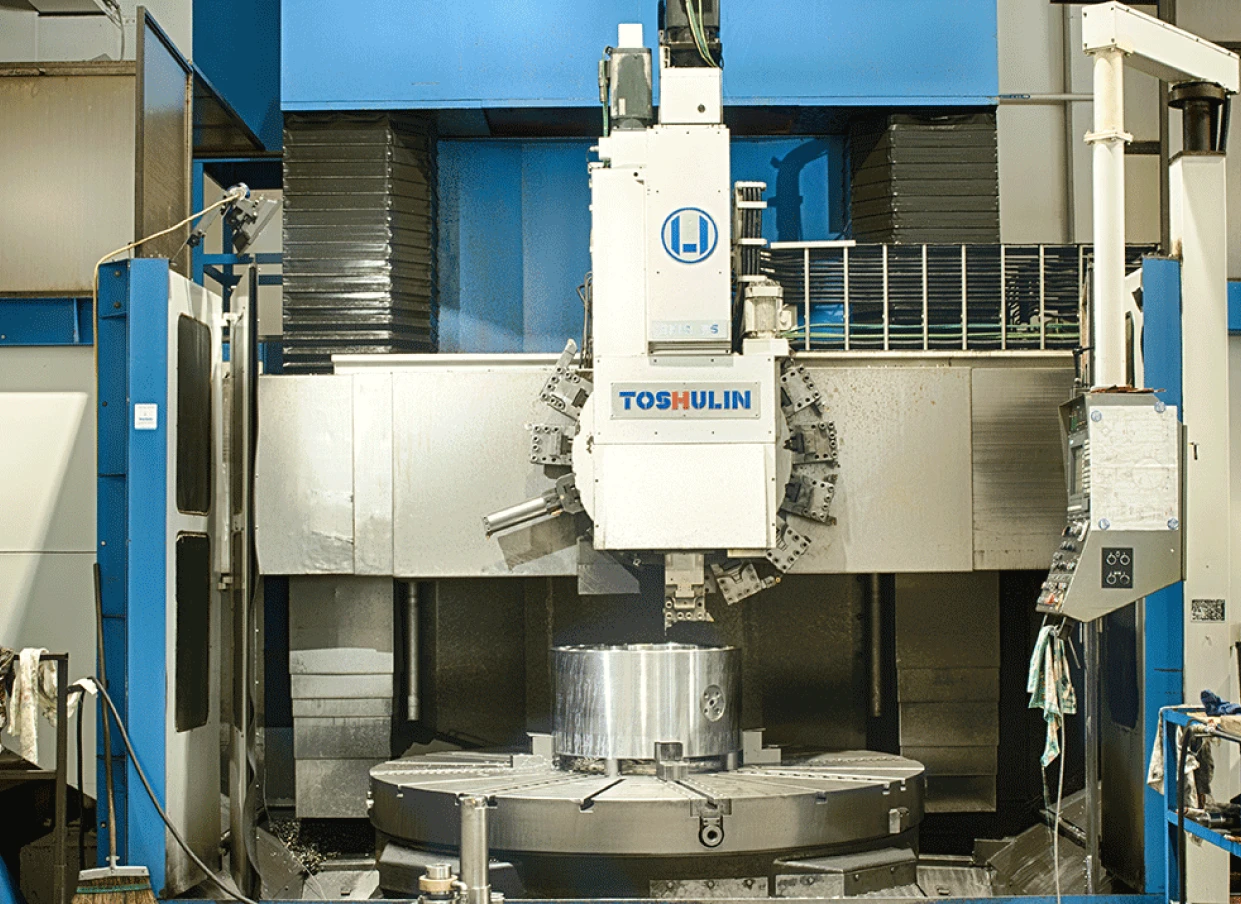
This approach turns CAD data into a manufacturing process rather than treating the drawing as a simple set of dimensions. CNC precision machining provides the technological basis for this process: CNC turning and CNC milling can be combined when a component requires both rotational and prismatic machining, provided that the references established during one operation are correctly maintained in the following stages.
Qualità, sicurezza e rispetto delle norme internazionali
Ogni fase del processo produttivo è gestita con attenzione e rispetto degli standard più rigorosi del settore meccanico. Le nostre certificazioni, sempre in aggiornamento, attestano l'affidabilità dei prodotti O.M.F. e il costante impegno nel migliorare sicurezza, efficienza e sostenibilità.

9001:2015

sostenibilità
CNC technology, quality control and production continuity
Different industries have different reasons for requiring precision. In aerospace, dimensional control and material requirements can be closely linked to component performance and certification. In automotive, repeatability and production efficiency become increasingly important as volumes grow. HVAC, energy and general industrial applications may require a different balance between geometry, material and durability. What matters, therefore, is matching the machining process to the actual requirements of the component.
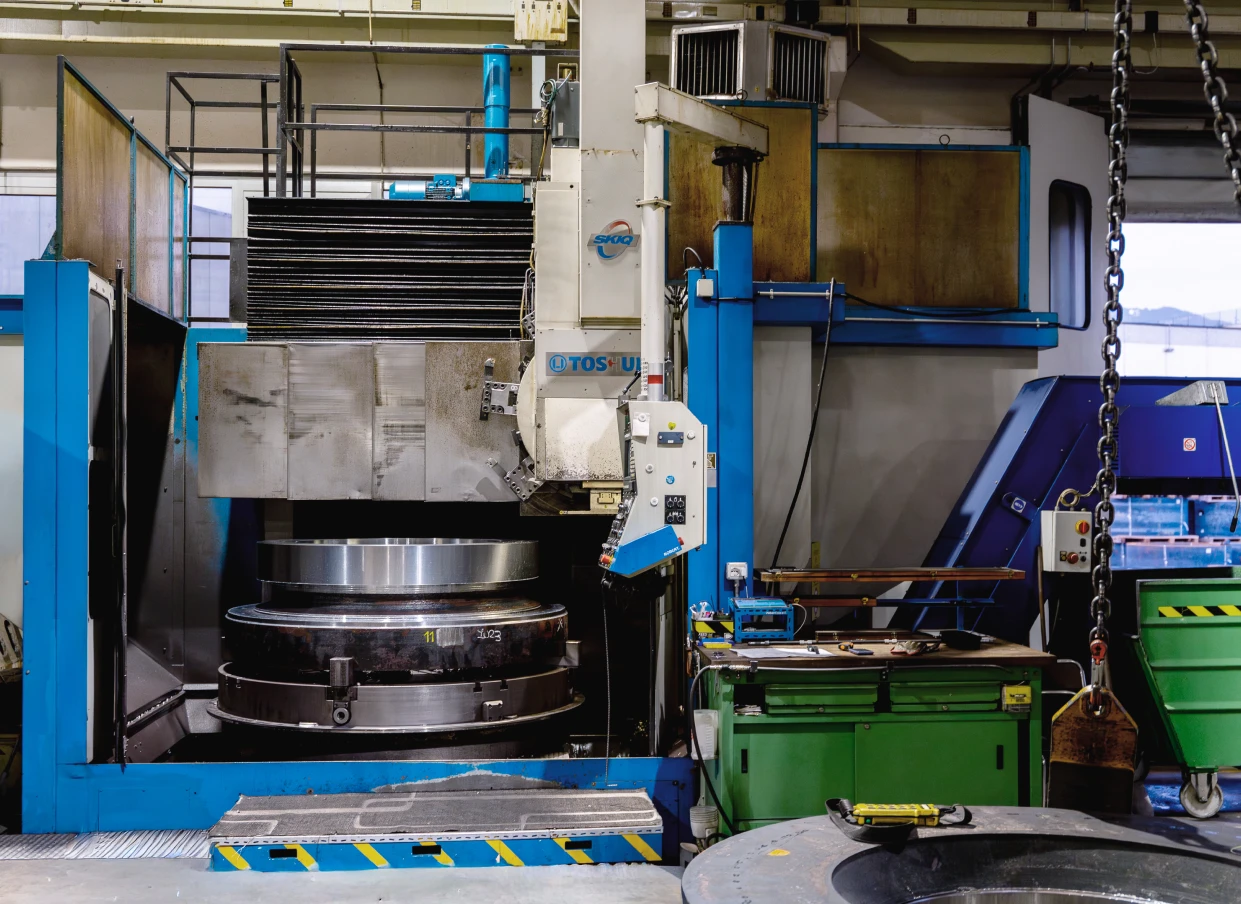
This means considering CNC turning, CNC milling, inspection equipment and complementary processes as parts of one coordinated system. The available machinery and its capabilities ultimately determine how these technologies can be combined for a specific component. ISO 9001 provides the organisational framework for managing these quality activities.
Precision machining as part of your supply chain
For companies sourcing precision machining parts, a reliable supplier must combine machining expertise with the ability to manage production and delivery requirements. Volumes may change, drawings may be revised and prototypes may develop into recurring orders, requiring adjustments to capacity, machine allocation and production planning.
For OMF Fratelli Fumagalli, manufacturing to customer drawings means bringing technical requirements, quantities and delivery needs into a single production strategy, with the flexibility to respond when project priorities change.
When evaluating CNC Precision Machining suppliers, companies should therefore consider not only machining capabilities, but also production capacity, experience across different industry applications and the ability to coordinate sub-contract machining requirements.
If you are looking for a supplier for precision machining parts, send OMF Fratelli Fumagalli your technical drawings, required quantities and delivery schedule to assess the most suitable machining strategy for your project. Contact us.
FAQ - Precision machining parts
A technical drawing or CAD file is the starting point for assessing a component. Information such as material specification, dimensional and geometric tolerances, required quantities, additional treatments and delivery requirements helps define the machining process and prepare an accurate quotation.
Yes. CNC machining can be used for prototypes, small batches and recurring production. The machining sequence, setup strategy and production planning can be adapted according to the required quantities and the technical characteristics of the component.
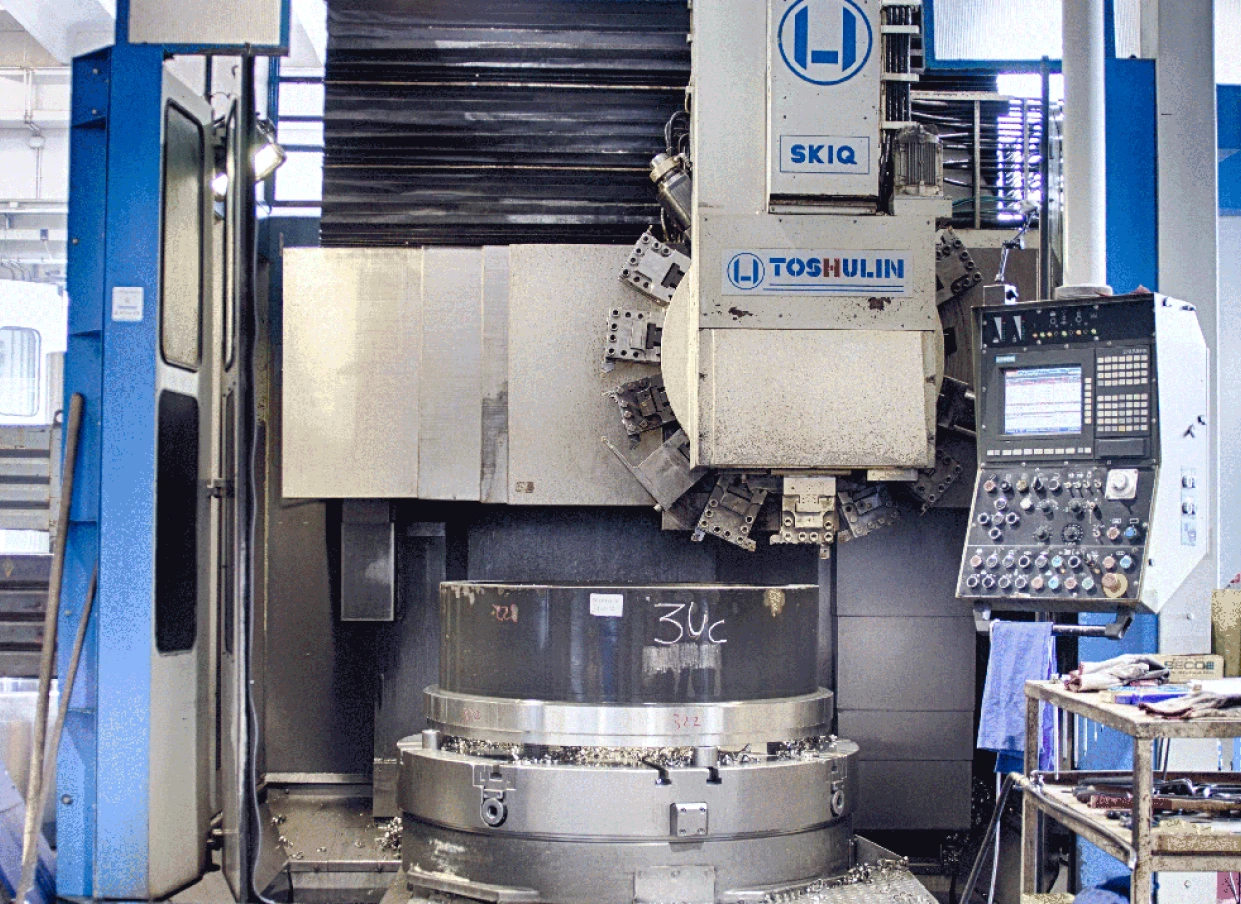
Component size influences several aspects of machining, including machine capacity, workholding, rigidity, tool accessibility and workpiece handling. Large or heavy components may therefore require different equipment and process planning even when their dimensional and geometric requirements are comparable to those of smaller parts.
Intermediate dimensional and geometric checks can be particularly useful when subsequent operations depend on features or references established earlier in the machining cycle. Detecting deviations before moving to the next operation helps maintain control over the process and reduces the risk of identifying a non-conformity only after machining has been completed.
Depending on the project requirements, complementary treatments and processes can be coordinated alongside CNC machining. Defining these requirements at the beginning of the project helps establish the complete production sequence and plan the different operations according to the required delivery schedule.
Request information
Please do not hesitate to contact us for any information you need on our processes!
The fields marked with * are compulsory